Sometimes when you’re in a dark place you think you’ve been buried, but you’ve actually been planted.
Christine Caine co-founder of A21
Categories
#homesofvictory

 Homes of Victory
Sometimes when you’re in a dark place you think you’ve been buried, but you’ve actually been planted.
Christine Caine co-founder of A21

In any moment of decision, the best thing you can do is the right thing. The worst thing you can do is nothing.
Theodore Roosevelt

We are basketball fans in our house, actually when I say we – I mean my husband is, and I grew up collecting basketball cards with my brother and loving the Charlotte Hornets purely because their jersey colours matched my netball uniform… Any way, the Lakers are a favourite team in our home and as the playoffs are in full swing in America, we thought it apt to quote perhaps one of the greatest players of his generation LeBron James.
always strive for greatness
LeBron James
At Homes of Victory, we couldn’t agree with this more. It’s not always about winning, or achieving, it’s about always striving – trying – making an effort. Whether your love of basketball like my husband or like myself – remember in life it is not always about winning but the process behind it – the effort – the thought behind every decision to grow and achieve.
What greatness are you striving for in your home? In your family?
What greatness are you striving for in life?

When pulling your communication plan together, remember it needs to be flexible and evolve according to the needs of your family. Communication is vital and powerful – it creates connection, it creates a sense of belonging and it can be the difference between feeling secure or not. It is not something that is static. It will take time to develop.
Over the coming months take some time to look back on all of the elements of a communication plan as below. Reassess how your family is going. Enjoy the wins and be encouraged by the learnings.
The family landscape is always changing as kids and parents alike are always growing and changing – make sure your communication expectations align. Are you as parents demonstrating respect and language that you want your children to reflect? The children will copy you, whether you want them to or not.
Finally, in coming to a close on the communication plan, enjoy talking about and mapping out your communication plan. The value of this plan will come into play when the next conflict or stressful situation arises. It will become the backbone of agreement between family members on how to behave, that will day by day have a more positive and refreshing influence.

We’ve just had a week away camping at the beach. We feel incredibly blessed as where we live Covid restrictions have lifted to the point where we could do this, as it is our absolute favourite thing to do.
Every time we camp on the drive home we chat about what improvement we could make to the set up and experience. Bit by bit we add to our camping gear to make camping that little bit more organised, enjoyable and easier.
The addition to this trip was a set of walkie talkies… our kids don’t have phones ( they’re 10,8 and 4) and our camping trips are screen free as much as possible. We take bikes and scooters and love to give our kids freedom to ride, play and meet other kids so these walkie talkies were perfect. They allowed them freedom with boundaries. We could relax knowing we could contact them.
Reflecting on this camping trip we realized our kids had learnt some valuable lessons by being given freedom. All of which contribute to their developing leadership skills.
Without even knowing it, they spent the week learning a different dimension to their current leadership skills. The freedom we gave them – along with the trust, gave them the confidence to do what they wanted to and explore.
Likewise in the workplace- we too can give freedom to our staff – possibly not with walkie talkies on a camping trip, but freedom within their role – as we observe mentor – freedom for some – opens up so many possibilities and will get the creative thoughts flowing.
What ways can you build freedom into your family life?
What ways can you build freedome into your staff?

Resilience is the talk of the town here at HOV this week. Considering the year we have had – personally, as a community, as a nation and globally, I am sure we can all relate to the quest for finding resilience and remaining resilient through prolonged seasons of stress, overwhelming situations and isolation. Resilience is not putting happy pants on and doing a dance then being ready to face the day with a plastered smile on your face, resilience is so much more than that. Resilience at times can be treated with contempt, as we wonder what next, in our stressful situations. Resilience, however, will offer us a look into the positive, could-be’s and may-be’s that negativity does not allow for. Resilience, in its finest form, is like wearing armour with our feet firmly planted, ready to do battle with the season we’re in.
We all have varying levels of resilience, at times we may feel we have bucket loads, other times, we wonder where we can find more… So, let’s take a closer look at resilience, and why it is necessary, important, and critical to our home life, workplace and community.
Resilience is defined as:
1. The power or ability to return to the original form, position, etc., after being bent, compressed, or stretched, elasticity.
2. Ability to recover readily from illness, depression, adversity, or the like, buoyancy.
In your home, resilience is vital for several reasons as it enables us to develop ways to protect against experiences that could be overwhelming. Resilience helps us maintain balance in our lives during stressful periods and protects us to a degree from developing mental health difficulties and issues.
In the workplace, resilience is a key strategy to enable us to tackle stress, competitive job markets, workplace conflicts and address challenges and change. Learning to be resilient in the workplace is so important as we often identify work as the number one stressor in our lives.
In community, resilience becomes all about the recovery from adversity and how individuals / families contribute to that.In Australia over the past few years we’ve had our share of devastating fires and floods along with the rest of the world weathering coronavirus– it has been a mix of grief at the loss and devastation but also a joy to see how the communities affected rally together and inspire the recovery efforts.
So, how do we go about building resilience, staying resilient and teaching those around us how to be resilient? To answer this question, we need to look at the types of resilience and where our strengths and weaknesses lie. Once an awareness of our current capacity of resilience, we can then build on this foundation.
We all experience ebbs and flows of resilience pending the circumstances around us and its severity – we are a work in progress on this too. The idea behind building resilience and staying resilient is reducing the difference between the ebbs and flows.
Start to think about what impacts on your resilience? This will become a key factor when increasing your resilience and staying resilient through the long haul.
I know when my kids were little, lack of sleep played a huge role in how resilient I felt. I remember one night, making a sandwich for my eldest, my husband innocently asked what I was doing, and I burst into tears…. Not very resilient hey – the reality was I was living on four hours of sleep a night and his lovely well intended question pushed me to tears… it’s funny now, but when I look back, all I wanted was the strength to get through each day. Have you been there? Are you living this now?
Here at HOV we are not experts in this field, nor claim to be, what we are interested in doing is giving you some pointers to get you started and support and encourage you on the adventure of building resilience.
Before we get into the how to build resilience, it is important to note that there are four different types of resilience we can build:
All four areas in our lives require some level of resilience, as we face major life problems, situational problems, daily problems and what we like to call micro stresses. The little annoyances that build up, or the ones we see when we are in a negative head-space.
Think for a moment and rate your level of resilience for each area? Use a scale of 1 – 10. Where do you feel your strength areas? Where are your weaker areas?
If you are doing this with someone you are close to and feel comfortable – rate each other and talk about your answers. This is about growing and supporting each other.
Keep an eye out for the next post of under the microscope: resilience – in reality. In this post we will be looking at practical ways to increase your resilience and how to stay resilient.
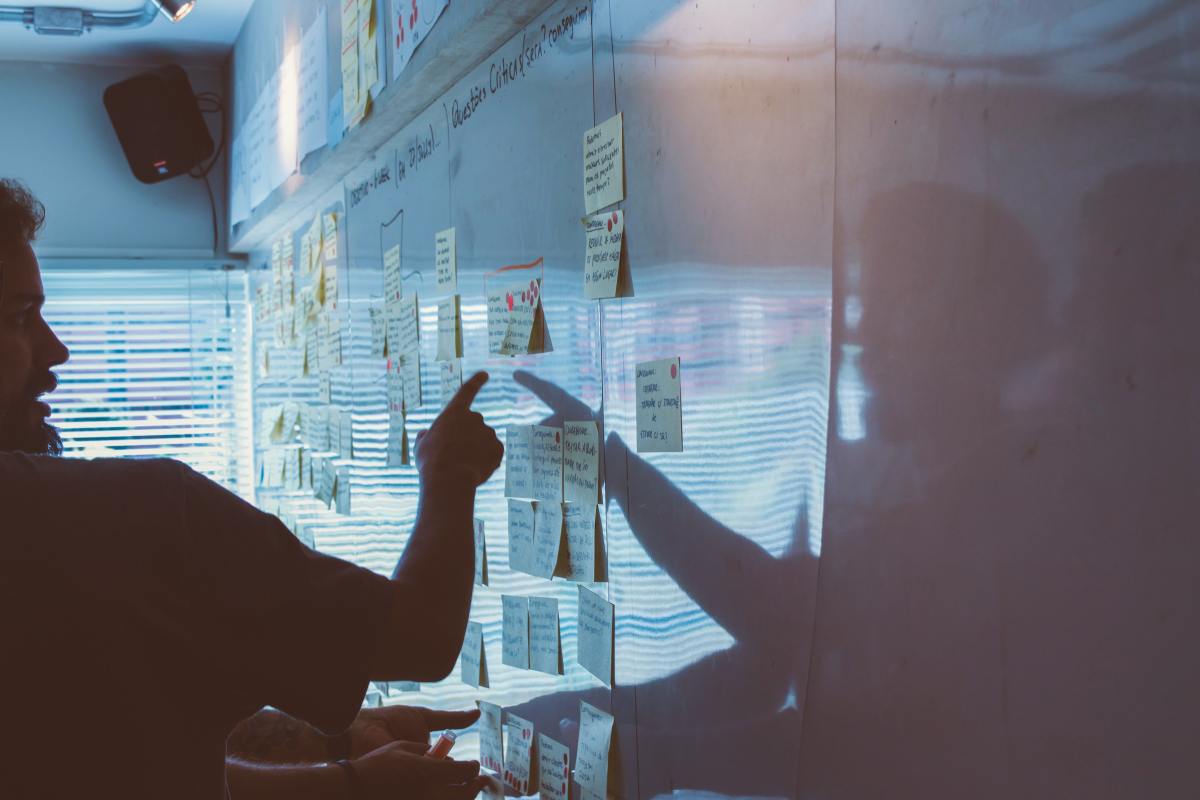
A family communication plan is not something that is black and white and formally written out and used to gauge performance. Rather, it is informal and flexible, it has ground rules and clear expectations.
Let’s look at how we are going to lay the groundwork for a family communication plan. First up, work through the next six points together. It will get you thinking about what is working and what is not. Write down your answers in your notebook, to keep a record of the beginnings of your plan.
As you start to implement these improvements and expectations, document how you feel the change is working. It may take some time, to realise the extent of the improvement, but be patient. Every family member will adjust in due time.
As communication is ever evolving in family life, make sure you always have clear expectations of each family member and ensure encouragement personal growth is at the forefront. You can do this!
Next we will look at the fun part: communicating during conflict.

Working with resource allocation can be tricky, firstly working out the needs and wants, navigating the decision making process, communicating the final decisions and getting the team leaders on board to then be able to run with what they have.
During this season, creativity is entering into the most rigid of processes and encouraging ‘do more with less’ outcomes because of necessity. I have been pleasantly surprised by the significant changes, this season has almost forced upon workplaces and staff for that matter. Even though I have been personally impacted by reduced resourcing I am none the less impressed by the changes outworking during this season. The collaboration out of necessity, the shifting of mindsets,the ebbs and flows of decision making and project delivery methods. It is incredible to be apart of and also witness in the businesses around my city and the world.
In applying these creative methods to our home lives, it may be out of necessity due to reduced finances, or drastic changes in routine, it is interesting to note that out capacity seems to have adjusted and our mindsets have flexed also.
When allocating resources to projects and business as usual tasks I often visualise the game of Tetris. How should the resources fit to have the best outcomes. I must admit to needing some brain breaks lately to order my thoughts and have found myself playing Tetris. Somehow, while lining up the blocks, I am able to creatively work out the solution to the real life resourcing issue at hand. No longer, is it a game I played as a kid, competing to get the highest score, but now its gone to a whole new level of helping me work through resources allocation dilemmas.
What ways has this season forced you to be more creative?
Aside from the negative impacts of this season, what are some positive changes that have occurred?

Become the kind of leader that people would follow voluntarily; even if you had no title or position.
Brian Tracy

I am in the throes of honing my negotiation skills using my three year old as my muse. Call her what you will, but the term three-nager springs to mind frequently. I do feel a little bit saddened by the fact that she can outwit me, even though I’ve already had two other kids to practice on. My third child seems to be overflowing with spark, wit and laughter.
One thing I have learnt, through her behaviour is the art of making something menial seem so interesting and exciting that I can get her to do what she was just saying no to, without her even realising. Her older siblings have cottoned onto my moves, and watching them negotiate with her is pure joy. Sometimes she wins, most times they do. I’ve taught them the art of distraction, and it works in the most amazing ways. She could be trying to use the computer while they are trying to use it for homework and as soon as one of them says, look a bird, she runs outside calling out “Where?”. She then spends time searching for birds, watching them, asking them if they need to poop… she is totally distracted. We have all learnt her currency and use it to our advantage.
Good management is the art of making problems so interesting and their solutions so constructive that everyone wants to get to work and deal with them.
Paul Hawken
Likewise I have been applying the art of distraction to my family as a whole. When the grumbling over chores starts, it suddenly becomes a game and we have a family champion. When getting ready for school is a drama, we beat the buzzer and all get into the car happy and on time. By making the mundane interesting, I am able to get my team onside and working together – yes at times it is draining, and at times, I just want them to do what they are asked the first time. But – the choices we make to lead, manage and influence combine to create the family life we have.
How can you apply the art of distraction and making problems interesting to your home?
What are your key negotiation strengths?
How do you involve the children in constructive solutions?

In the digital day and age, communication seems easier and harder at the same time. Communication nonetheless is the number one most important thing in a relationship and family. How it occurs, when it occurs, where it occurs and the depth of it all impacts the foundations of the relationships and the building of a family. In the season of being a parent, communication can be hard. Sleep deprivation, forgetfulness, overwhelmed-ness – everything contributes to diminished communication. Your communication style may have changed, your capacity has changes so too has the needs behind communicating.
I know for us we often find in our busy that we remember to ask the other person something in the middle of the night when the other is asleep, or when they are in a meeting and we can’t talk. Then adding, when we do see each other face to face, the kids interrupt in a multitude of ways that we often forget what we were trying to say, ask or tell. Are you smiling yet, because it’s true?
I must admit at the moment, I am guilty of saying before the kids bedtime, after they go to bed, let’s hang and chat, I need to ask you about… I then proceed to fall asleep with one of the kids, and stumble into bed around midnight, remembering that we needed to talk about something. The conversation then happens in a rush before work the next morning sometimes even before caffeine. We all know that, that time of day is absolutely not productive. So to overcome these challenges, some self-inflicted of course we have started using a few communication tools and methods to help us.
1. yes / no text
As the main, social organiser/ child logistics queen in the family, I often need to ask my other half questions that have a simple yes / no answer. At the moment I am sending at least one text a week with a short list of yes/ no questions. He knows, to respond! Not because it’s a ‘ yes dear’ moment, but because he knows that I am running the logistics past him to make sure he is included and that it works for him too. At other times the yes/ no texts become an email, as I’ve waited so long and the list is too much for a text. This may or may not work in your situation, but it has taken the pressure off both of us when we are with the kids and working out the logistics of life. Since we’ve started doing this, I have been receiving yes / no texts too – I love it, as it keeps life humming along and we are both on the same page with what is happening with the kids and other things in life.
Would yes/no texts work in your family? What other tools could work to take the pressure off working out the logistics of life?
2. shared calendar
My husband introduced a shared digital calendar into our lives about a year ago. It was the best thing. If you don’t already have a shared calendar – you need one! It is our go to when we get asked to do something out of hours, rather than saying ‘I need to ask my wife’ – which sounds like he’s asking for permission, my husband checks the calendar and has autonomy over his decisions. Likewise, I am the same. Our simple parameter around the calendar is, whoever has it in first gets it. So if I plan a girls night on a particular date and add it to the calendar I go… if he forgets to put something in for that same date – he loses out and vice versa. It may sound a bit black and white but don’t worry we are kind and negotiate. We put that simple parameter around our calendar so we use it to its capacity so it benefits us the most. It is a communication tool, that we use to minimise issues in logistics and awareness. We got tired of saying to each other – I didn’t know you were going out/ but I already planned something – all of those unavoidable conversations have now been avoided.
Research some apps that could contribute to enabling more communication in your relationship.
One additional app may make a huge difference.
3. screen time
I thought I would add in, screen time and parameters at this point. So much is being written about screens and their positive and negative effects on kids and adults. I was looking for some stats and quotes to add strength to what I am about to write, but the information online seemed overwhelming. All articles pointed to the same type of issue – more screen time = lower quality relationships. We know this to be true, just looking at our own lives. It is amazing how quickly addiction can take over. Not just for kids but adults alike. Who sits on the couch after the kids go to bed, watching TV, flicking through their phone, sitting with their loved one. It’s not spending time together, but rather just being in the same room.
Our kids are still young enough to not have their own device, but the time is coming soon when they will need to for school. In order to pre-empt the screen time dramas to come, we have started modelling screen savvy behaviours to them. We want them, when the time comes to be able to self-regulate their own screen use when the time comes. We need to set the example, and use our own devices in moderation in front of them. What they see is what they will do. In response to our kids behaviour and I know your family will be different and have other measures in place, we now have the following parameters in our home that include all members of the family:
In addition to this, as parents we aim to put our phones out of sight from 4 – 8pm – if we are home. The only phone calls we answer are from family and text messages can wait. Although we are not perfect, we try. We know, what we are aiming for and that is quality relationships and those can only be built with communication at the forefront of our minds. Since implementing these parameters, our kids do communicate with us more, they read more, they play more, they even help around the house a bit more. Teamwork is gaining momentum as we have put this emphasis on communication and togetherness.
Think about how many times you’ve had a device in your hand, when someone else has been trying to talk to you? How do you feel when it is you trying to talk?

My 8 year old came home the other day from school absolutely beaming. He was so excited to share with me a Ted Talk his class had watched. I took a double take when I heard Ted Talk, as growing up, all I thought about in primary school was which bike path I was going to ride on when I got home… any way, he was so excited about it, that he suggested after dinner we all watch it together.
The Ted Talk titled the mindset of a champion was by a young primary school age boy who learnt a valuable lesson – add the word ‘ yet’ – to the end of your sentences. Using it to aim higher rather than feel defeated. An example of this is, “I can’t tie my shoelaces… yet.” You get the idea. As we all snuggled in bed listening to this, I couldn’t believe how glued my kids were to this amazing speaker. As a whole family we learnt something new – in essence a simple growth mindset concept. One we could also apply it straight away. By adding ‘ yet’, to our sentences, it is beginning to change our language to be more positive – it also makes us smile when we can add it to each other’s sentences. Mind you, the kids are now saying things like, ‘We can’t go to McDonalds… yet’ with a big cheeky grin – nice try.
To sum it up, it may only take a lesson at school, or a moment of inspiration in your child, to make a change in your family. Encourage your children to share what they learn. We are thankful for this insight into our child’s day, but also grateful that we can integrate it into our everyday language. It has made us as a family more positive, and as we face challenges, we know know we can achieve it if we put our minds to it.

Here in Australia it’s Fathers Day!
Thank you to all the Dads, Grandpas, Dads to be, uncles and brothers.
You are all super heroes – to your loved ones.We honor you today for the special role you play in the lives of your family and friends! It wouldn’t be the same with out you.
To those who have loved and lost, may your hearts be reminded of the big bear hugs and the joy your Dad brought to your life- be it a little or a lot.
To our Homes of Victory Dads – you have taught us so much and so generously shared your wisdom with us. May we continue your legacy in the life of our family – showing grace and patience, bringing the fun and joy while leading and mentoring the next generation.

Success means having the courage, the determination, and the will to become the person you believe you were meant to be.
George Sheehan

I was flicking through a book titled 50 leaders who changed history, by Charles Philips and came across the list of what the author identified as leadership qualities. Some of which I have not really considered prior, as I have only worked in the social science field. I am used to traits such as open mindedness, collaborative and leading by example – these are the softer (yet strong qualities) that do get things done. Adding to the list of leadership traits listed include being disruptors, combative and defiant type leaders. After reading through the short bios of each leader, it became clearer to me that their type of leadership whether with the hindsight of history, whether they were right or wrong, on most occasions their leadership style befitted the change in history they contributed to.
Mother Teresa for example – was a ‘lead by example’ leader, Margaret Thatcher was considered a ‘combative’ leader. Pablo Picasso was mentioned for his ‘innovative’ leadership style – he was credited with challenging the limits of art and bringing art into mainstream culture. This book is a fascinating read of leaders throughout the generations.
Reading about the various types of leaders and the particular style they were known for, I was challenged about my own leadership style, both in the workplace and at home. You see, we may know what type of leader we are in our own situation, but do we have in us, some of the opposite qualities to enable us to truly lead in all situations?
With that said, I am more aware of making sure the leader, I have worked hard to be, is not done growing yet. I need the capacity to be a disruptor – at the right time. I also need to learn more combative traits – to pull out at the right time. What about you?
When was the last time, you were challenged to adapt your leadership style? Did you have the tools at hand?
Take some time to give some thought to how you can become more well-rounded. There is nothing like being prepared for all situations…

 Homes of Victory