Leadership is influence. Nothing more, nothing less.
John C. Maxwell
Who are you influencing today? Will your influence lead to confidence and bravery?
 Homes of Victory
Leadership is influence. Nothing more, nothing less.
John C. Maxwell
Who are you influencing today? Will your influence lead to confidence and bravery?

It’s been six months since we launched Homes of Victory. We have been blown away by your support and would like to humbly thank each of you. We truly appreciate the time you take to read and absorb what we have to share.
As we are all about families – supporting and enabling you to create the home life you want – we can’t wait to continue this journey with you. If you have any topic you would like us to cover please let us know. Likewise if you would like to be a guest blogger please contact us. We would love to hear from you.
Until then, share Homes of Victory with your mates and let’s encourage each other to live in victory.

I grew up in the era of dial up internet – the one where you connect over the home phone line, the one where you got to hear it dial up and connect. It was probably the first time in my life, I realised how impatient I was, that was until these days when wi-fi doesn’t work how it should – that’s a whole other story.
As a kid I knew that the dial up sound, meant connection – to the world wide web. I knew that the connection needed to occur before anything else could. In our fast paced, internet reliant society, the art of connection seems to have been lost. We can text a friend, without asking how they are, we can rush through grocery shopping and not say hi to the cashier, we can scoot through school pick up and not even have to wave to anyone we know, we can even add comments online anonymously. Where has the real connection gone? I even question where has the desire for connection gone?
Sadly, it seems we are all somehow ever so subtly moving towards connection through devices and social media, emails and other group chats etc… Don’t get me wrong, the advancements in technology have greatly benefited the world, families and business, on the flip side though for these great advancements and benefits have come at a social cost.
Is lack of real connection one of the reasons, mental health statistics are increasing faster than ever before? Is it one of the reasons why families are crumbling faster than they can be built? Is it one of the reasons why kids are committing suicide younger and younger and depression rates for 15 – 25 year olds is through the rood?
How can we connect to each other in an already “connected” world? How can we disconnect from the technology around us, even for a moment, to simply connect with our loved ones and friends in a way that equals real connection. The type that fills the soul with joy, the type that encourages and uplifts, the type that fills the love tank.
Connection is needed on so many levels – in family life, in the workplace, in the friendship circles, in the village we are crafting for our children to grow up in. For the support during tough times and the celebrations during the good times – an emoji cannot replicate a real smile, a real high five, a hug or a shared meal.
What if we all for one day, put our tech away – not just on silent, but away, and really made an effort to connect with those around us? What difference do you think it could make?
Think about ways you could connect more with those around you?

Hooray! Congratulations! Well Done!
Here at Homes of Victory we are genuinely so excited for you and your family. We hope you feel more equipped, have grown closer together as a family and most of all had fun.
You should be so proud of yourselves that you worked through creating a family values statement, learnt more about yourselves and each other, set goals and created a family action plan. We would love to hear how it works for you and your family so drop us a line, you never know who else you will encourage to create a family blueprint.
Once again – whooo hoooo! You are amazing!

We’ve just been through a time, where Mr 8, decided to eat every meal in a taco. I had absentmindedly put some leftover taco shells in a container and left them in the pantry… he found them, 5 in total. He decided after we sat down to dinner each night, to go to the cupboard and get a taco. He had spaghetti in a taco, pulled pork in a taco, a sausage in a taco you get the idea.
Why am I writing about this? This was a week where I didn’t battle my son, I chose not to feel defeated but rather went with the flow. Each night as I rounded up the kids for dinner (read cats that keep wandering off) I would wait with anticipation for the “ Can I please go to the cupboard?” question. I happily obliged, actually I chose to. I chose not to argue, I chose not to worry about it, I chose not to spend energy on it, I chose perspective.
I had flashbacks of my Mum getting really upset when my brother would cover his dinner in tomato sauce every night. She would always say, “that’s not how I made it to be eaten”. It would annoy her and upset her every single time. I agree with her, and know the effort that goes into making a meal that the whole family will eat and the heart of it is, you want the whole family to enjoy it.
The thing is, we can all enjoy the same thing differently and there are things in life that are not worth the energy involved in getting upset or annoyed about. I needed to and wanted to see his love for Taco’s through his eyes.

Action plan
By now, you should have five or more goals written down, that you are both or all happy about and agreed upon. How do you feel? Excited? Daunted?
For those of you who are not planners, and setting goals seems so foreign, please do not feel that this is not for you. It is, as much as it is for a planner. The action plan that you will create, can be as detailed as you like, it can be at the forefront of all family decisions or not. It can be what you want it to be for your family situation. For us, we are half- half planners. We love to have goals ticking over in the background, while we get on with it and have fun along the way. At times we get really distracted and need to remind ourselves of the goals we set and why, but day to day, we are not dictated by our goals. We know what they are and how much of them we have achieved, but we still like to have an element of flexibility and improvisation.
To put everything in perspective, a strategic plan (which we call the family blueprint) gives you a place to record your vision, purpose and values (which is your family values statement), as well as your long-term goals (the goals you’ve written) and the action plans you’ll use to reach them (what we will now do).
As overwhelming as an action plan can sound, you will get your groove on, once you get started. We found the easiest thing to do, was ask a set of questions, write down our answers and then tweak it as we go along. We’ve added in the questions we asked to form our family action plan. For this we didn’t include our children, but if they have been involved in the process of developing goals or even your family values statement, it may be good to include them in some if not all of the action plan creation.
Activity: Answer the following questions according to each individual goal set.
Creating an action plan will take time. Work through each goal at your own pace, work together to come up with an action plan for each one.
Once you’ve completed your action plan, take some time to let the goals and outcomes sink in.
Ask, is the plan as a whole realistic for your family?
What adjustments could I make, to ensure every goal is achieved?

Goals
Once you have your finalised family values statement, the real heavy lift work begins. Now, is the time to start thinking about and writing goals that correlate to the sets of values created in blueprint foundations.
The categories looked at in blueprint foundations were:
* family values
*home environment
*business / career
* children
* finances
* future dreams
The family values list links to the family values statement or mission statement., as created in the activity in the strategy post. Later on, the future dreams list will be used to create a vision statement for the years ahead.
The lists of values for each of these categories home environment, business, children and finances will be used to develop goals that feed into the family 1- 3 year operational plan. .
Activity: Write 1 – 3 goals for each category.
How to write a goal
There are many ways to write goals and no one way to achieve them. If you are unfamiliar with writing goals, need a helping hand, here are a few different ways to set goal
SMART goals
SMART goals are based on actions that form the acronym: Is the goal Specific, Measurable, Attainable, Relevant, and Time-Bound?
In our family we use SMART goals for more strategic type goals, we sit and write out SMART goals in great detail as these generally take longer to achieve.
An example of a SMART goal is:
We are going to save $X to go on a holiday in September. To do this we will save $X per week.
S: The who, what, when is listed. The where is not listed in this goal.
M: The goal of a holiday, and the amount to save is listed clearly.
A: The dollar amount is listed
R: This goal links to our family strategic goals – add in the category it is relevant to.
T: The goal is time bound as the end date is September
WOOP goals
Another form of goal writing, that is great when the whole family is included is WOOP. I have recently come across this method of goal writing. It is great as it can be parent led and has space for child input and ownership. This type of goal writing is great for ‘ team’ type goals that are not necessarily directional strategically but functional for family life. It may be about eating healthier food options, volunteering together, working on a family project – that kind of activity. WOOP stands for Wish, Outcome, Obstacle, Plan. It encourages the big picture dreams and then by looking at outcomes and obstacles – the specifics of the goal can be nutted out. The final step – the plan is the grand scheme of how to achieve the goal. It is also the time to take the obstacles listed and write against each one an ‘ if then’ plan to overcome the obstacles.
An example of a WOOP goal is:
W: We wish as a family we could hike for six kilometres (without the children whinging)- and enjoy it.
O: Increased fitness, ability to go on more hikes and find interesting places.
O: The youngest can’t walk that far, she decides not to…
P: Start building up fitness with shorter walks. Find ways to encourage the youngest to increase her stamina.
List:
The final example of setting a goal that I find really works for me in the busy of life is this list format of goal setting. I tend to use this for more base line goals and use this list as a reminder. I keep the monthly list on the inside of my pantry as that is where I see it the most. It’s a great reminder of what I set out to do each month, as the days fly by.
Here is an example of one of my lists:
This month __________________ I will
Overall, it’s not about the method you use to write your goal, it’s the fact that you’ve set some goals that you believe are achievable for your family.

part three of creating a family blueprint
Congratulations you’ve made it through the foundation building stages. Now for the real fun – the strategy and action plan, the part that makes the foundation essentially a reality.
The outcome for this set of activities is to creation a family mission statement with a set of outcomes, with identified measurable actions. Easy… ???
Home of Victory will step you through this, to create the final pieces of your family blueprint.
Strategy part one: Family Values Statement = Vision Statement
A mission statement is generally 1 – 2 sentences that sums up: what you do and who you do it for.
Activity: Take your final set of family values from blueprint foundations 1 – and start forming sentences around those words. This will take time to perfect, but it will happen. Let it sit for a period of time and make changes as you see fit.
When you have both finalised the family values statement, share it with your children if they are an appropriate age… ours were more than willing to ask questions and agree. Their involvement will encourage you all as a family to work towards a common goal and use this statement as a foundation for future decisions.
If you feel comfortable please share your family values statements – you never know what encouragement you can provide others.
Here is our family values statement. We started with the words, We see… As we are speaking into the future of what our family will become, as we are certainly not there yet.
We see a family that seeks to draw out the best from each other and in our community giving all the glory to God. We see a family that understands our imperfections and are willing to work through them together. We see a family that travels the world, learning and sharing with people from all over the planet. We see a family that impacts local and global communities to experience true joy, peace and health.

Do what you feel in your heart to be right–for you’ll be criticized anyway.
Eleanor Roosevelt
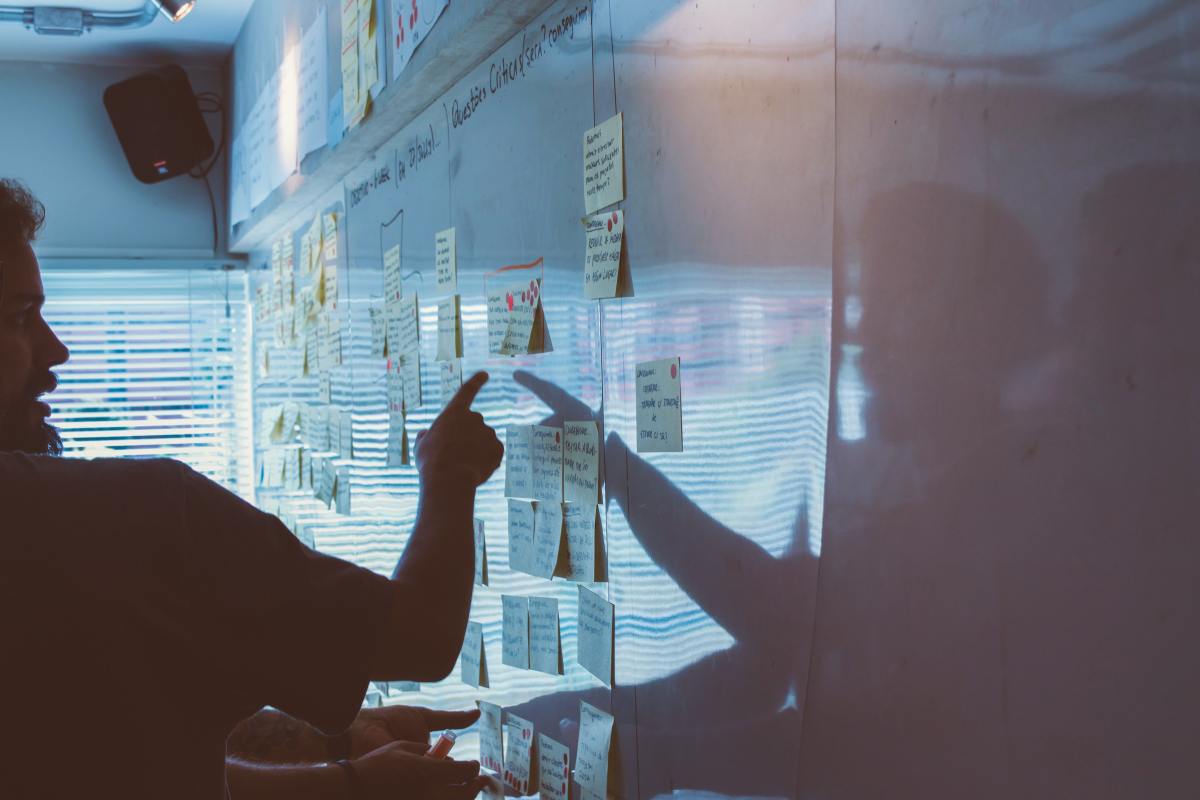
A family communication plan is not something that is black and white and formally written out and used to gauge performance. Rather, it is informal and flexible, it has ground rules and clear expectations.
Let’s look at how we are going to lay the groundwork for a family communication plan. First up, work through the next six points together. It will get you thinking about what is working and what is not. Write down your answers in your notebook, to keep a record of the beginnings of your plan.
As you start to implement these improvements and expectations, document how you feel the change is working. It may take some time, to realise the extent of the improvement, but be patient. Every family member will adjust in due time.
As communication is ever evolving in family life, make sure you always have clear expectations of each family member and ensure encouragement personal growth is at the forefront. You can do this!
Next we will look at the fun part: communicating during conflict.

Working with resource allocation can be tricky, firstly working out the needs and wants, navigating the decision making process, communicating the final decisions and getting the team leaders on board to then be able to run with what they have.
During this season, creativity is entering into the most rigid of processes and encouraging ‘do more with less’ outcomes because of necessity. I have been pleasantly surprised by the significant changes, this season has almost forced upon workplaces and staff for that matter. Even though I have been personally impacted by reduced resourcing I am none the less impressed by the changes outworking during this season. The collaboration out of necessity, the shifting of mindsets,the ebbs and flows of decision making and project delivery methods. It is incredible to be apart of and also witness in the businesses around my city and the world.
In applying these creative methods to our home lives, it may be out of necessity due to reduced finances, or drastic changes in routine, it is interesting to note that out capacity seems to have adjusted and our mindsets have flexed also.
When allocating resources to projects and business as usual tasks I often visualise the game of Tetris. How should the resources fit to have the best outcomes. I must admit to needing some brain breaks lately to order my thoughts and have found myself playing Tetris. Somehow, while lining up the blocks, I am able to creatively work out the solution to the real life resourcing issue at hand. No longer, is it a game I played as a kid, competing to get the highest score, but now its gone to a whole new level of helping me work through resources allocation dilemmas.
What ways has this season forced you to be more creative?
Aside from the negative impacts of this season, what are some positive changes that have occurred?

When a flower doesn’t bloom , you fix the environment in which it grows not the flower.
Alexander Den Heijer

I am in the throes of honing my negotiation skills using my three year old as my muse. Call her what you will, but the term three-nager springs to mind frequently. I do feel a little bit saddened by the fact that she can outwit me, even though I’ve already had two other kids to practice on. My third child seems to be overflowing with spark, wit and laughter.
One thing I have learnt, through her behaviour is the art of making something menial seem so interesting and exciting that I can get her to do what she was just saying no to, without her even realising. Her older siblings have cottoned onto my moves, and watching them negotiate with her is pure joy. Sometimes she wins, most times they do. I’ve taught them the art of distraction, and it works in the most amazing ways. She could be trying to use the computer while they are trying to use it for homework and as soon as one of them says, look a bird, she runs outside calling out “Where?”. She then spends time searching for birds, watching them, asking them if they need to poop… she is totally distracted. We have all learnt her currency and use it to our advantage.
Good management is the art of making problems so interesting and their solutions so constructive that everyone wants to get to work and deal with them.
Paul Hawken
Likewise I have been applying the art of distraction to my family as a whole. When the grumbling over chores starts, it suddenly becomes a game and we have a family champion. When getting ready for school is a drama, we beat the buzzer and all get into the car happy and on time. By making the mundane interesting, I am able to get my team onside and working together – yes at times it is draining, and at times, I just want them to do what they are asked the first time. But – the choices we make to lead, manage and influence combine to create the family life we have.
How can you apply the art of distraction and making problems interesting to your home?
What are your key negotiation strengths?
How do you involve the children in constructive solutions?

In the digital day and age, communication seems easier and harder at the same time. Communication nonetheless is the number one most important thing in a relationship and family. How it occurs, when it occurs, where it occurs and the depth of it all impacts the foundations of the relationships and the building of a family. In the season of being a parent, communication can be hard. Sleep deprivation, forgetfulness, overwhelmed-ness – everything contributes to diminished communication. Your communication style may have changed, your capacity has changes so too has the needs behind communicating.
I know for us we often find in our busy that we remember to ask the other person something in the middle of the night when the other is asleep, or when they are in a meeting and we can’t talk. Then adding, when we do see each other face to face, the kids interrupt in a multitude of ways that we often forget what we were trying to say, ask or tell. Are you smiling yet, because it’s true?
I must admit at the moment, I am guilty of saying before the kids bedtime, after they go to bed, let’s hang and chat, I need to ask you about… I then proceed to fall asleep with one of the kids, and stumble into bed around midnight, remembering that we needed to talk about something. The conversation then happens in a rush before work the next morning sometimes even before caffeine. We all know that, that time of day is absolutely not productive. So to overcome these challenges, some self-inflicted of course we have started using a few communication tools and methods to help us.
1. yes / no text
As the main, social organiser/ child logistics queen in the family, I often need to ask my other half questions that have a simple yes / no answer. At the moment I am sending at least one text a week with a short list of yes/ no questions. He knows, to respond! Not because it’s a ‘ yes dear’ moment, but because he knows that I am running the logistics past him to make sure he is included and that it works for him too. At other times the yes/ no texts become an email, as I’ve waited so long and the list is too much for a text. This may or may not work in your situation, but it has taken the pressure off both of us when we are with the kids and working out the logistics of life. Since we’ve started doing this, I have been receiving yes / no texts too – I love it, as it keeps life humming along and we are both on the same page with what is happening with the kids and other things in life.
Would yes/no texts work in your family? What other tools could work to take the pressure off working out the logistics of life?
2. shared calendar
My husband introduced a shared digital calendar into our lives about a year ago. It was the best thing. If you don’t already have a shared calendar – you need one! It is our go to when we get asked to do something out of hours, rather than saying ‘I need to ask my wife’ – which sounds like he’s asking for permission, my husband checks the calendar and has autonomy over his decisions. Likewise, I am the same. Our simple parameter around the calendar is, whoever has it in first gets it. So if I plan a girls night on a particular date and add it to the calendar I go… if he forgets to put something in for that same date – he loses out and vice versa. It may sound a bit black and white but don’t worry we are kind and negotiate. We put that simple parameter around our calendar so we use it to its capacity so it benefits us the most. It is a communication tool, that we use to minimise issues in logistics and awareness. We got tired of saying to each other – I didn’t know you were going out/ but I already planned something – all of those unavoidable conversations have now been avoided.
Research some apps that could contribute to enabling more communication in your relationship.
One additional app may make a huge difference.
3. screen time
I thought I would add in, screen time and parameters at this point. So much is being written about screens and their positive and negative effects on kids and adults. I was looking for some stats and quotes to add strength to what I am about to write, but the information online seemed overwhelming. All articles pointed to the same type of issue – more screen time = lower quality relationships. We know this to be true, just looking at our own lives. It is amazing how quickly addiction can take over. Not just for kids but adults alike. Who sits on the couch after the kids go to bed, watching TV, flicking through their phone, sitting with their loved one. It’s not spending time together, but rather just being in the same room.
Our kids are still young enough to not have their own device, but the time is coming soon when they will need to for school. In order to pre-empt the screen time dramas to come, we have started modelling screen savvy behaviours to them. We want them, when the time comes to be able to self-regulate their own screen use when the time comes. We need to set the example, and use our own devices in moderation in front of them. What they see is what they will do. In response to our kids behaviour and I know your family will be different and have other measures in place, we now have the following parameters in our home that include all members of the family:
In addition to this, as parents we aim to put our phones out of sight from 4 – 8pm – if we are home. The only phone calls we answer are from family and text messages can wait. Although we are not perfect, we try. We know, what we are aiming for and that is quality relationships and those can only be built with communication at the forefront of our minds. Since implementing these parameters, our kids do communicate with us more, they read more, they play more, they even help around the house a bit more. Teamwork is gaining momentum as we have put this emphasis on communication and togetherness.
Think about how many times you’ve had a device in your hand, when someone else has been trying to talk to you? How do you feel when it is you trying to talk?

Here in Australia it’s Fathers Day!
Thank you to all the Dads, Grandpas, Dads to be, uncles and brothers.
You are all super heroes – to your loved ones.We honor you today for the special role you play in the lives of your family and friends! It wouldn’t be the same with out you.
To those who have loved and lost, may your hearts be reminded of the big bear hugs and the joy your Dad brought to your life- be it a little or a lot.
To our Homes of Victory Dads – you have taught us so much and so generously shared your wisdom with us. May we continue your legacy in the life of our family – showing grace and patience, bringing the fun and joy while leading and mentoring the next generation.

 Homes of Victory