
Categories
Blue Print communication

communication 2

In the digital day and age, communication seems easier and harder at the same time. Communication nonetheless is the number one most important thing in a relationship and family. How it occurs, when it occurs, where it occurs and the depth of it all impacts the foundations of the relationships and the building of a family. In the season of being a parent, communication can be hard. Sleep deprivation, forgetfulness, overwhelmed-ness – everything contributes to diminished communication. Your communication style may have changed, your capacity has changes so too has the needs behind communicating.

I know for us we often find in our busy that we remember to ask the other person something in the middle of the night when the other is asleep, or when they are in a meeting and we can’t talk. Then adding, when we do see each other face to face, the kids interrupt in a multitude of ways that we often forget what we were trying to say, ask or tell. Are you smiling yet, because it’s true?

I must admit at the moment, I am guilty of saying before the kids bedtime, after they go to bed, let’s hang and chat, I need to ask you about… I then proceed to fall asleep with one of the kids, and stumble into bed around midnight, remembering that we needed to talk about something. The conversation then happens in a rush before work the next morning sometimes even before caffeine. We all know that, that time of day is absolutely not productive. So to overcome these challenges, some self-inflicted of course we have started using a few communication tools and methods to help us.

1. yes / no text

As the main, social organiser/ child logistics queen in the family, I often need to ask my other half questions that have a simple yes / no answer. At the moment I am sending at least one text a week with a short list of yes/ no questions. He knows, to respond! Not because it’s a ‘ yes dear’ moment, but because he knows that I am running the logistics past him to make sure he is included and that it works for him too. At other times the yes/ no texts become an email, as I’ve waited so long and the list is too much for a text. This may or may not work in your situation, but it has taken the pressure off both of us when we are with the kids and working out the logistics of life. Since we’ve started doing this, I have been receiving yes / no texts too – I love it, as it keeps life humming along and we are both on the same page with what is happening with the kids and other things in life.

Would yes/no texts work in your family? What other tools could work to take the pressure off working out the logistics of life?

2. shared calendar

My husband introduced a shared digital calendar into our lives about a year ago. It was the best thing. If you don’t already have a shared calendar – you need one! It is our go to when we get asked to do something out of hours, rather than saying ‘I need to ask my wife’ – which sounds like he’s asking for permission, my husband checks the calendar and has autonomy over his decisions. Likewise, I am the same. Our simple parameter around the calendar is, whoever has it in first gets it. So if I plan a girls night on a particular date and add it to the calendar I go… if he forgets to put something in for that same date – he loses out and vice versa. It may sound a bit black and white but don’t worry we are kind and negotiate. We put that simple parameter around our calendar so we use it to its capacity so it benefits us the most. It is a communication tool, that we use to minimise issues in logistics and awareness. We got tired of saying to each other – I didn’t know you were going out/ but I already planned something –  all of those unavoidable conversations have now been avoided.

Research some apps that could contribute to enabling more communication in your relationship.

One additional app may make a huge difference.

3. screen time

I thought I would add in, screen time and parameters at this point. So much is being written about screens and their positive and negative effects on kids and adults. I was looking for some stats and quotes to add strength to what I am about to write, but the information online seemed overwhelming. All articles pointed to the same type of issue – more screen time = lower quality relationships. We know this to be true, just looking at our own lives. It is amazing how quickly addiction can take over. Not just for kids but adults alike. Who sits on the couch after the kids go to bed, watching TV, flicking through their phone, sitting with their loved one. It’s not spending time together, but rather just being in the same room.

Our kids are still young enough to not have their own device, but the time is coming soon when they will need to for school. In order to pre-empt the screen time dramas to come, we have started modelling screen savvy behaviours to them. We want them, when the time comes to be able to self-regulate their own screen use when the time comes. We need to set the example, and use our own devices in moderation in front of them. What they see is what they will do. In response to our kids behaviour and I know your family will be different and have other measures in place, we now have the following parameters in our home that include all members of the family:

  • No screens in bedrooms – this is hard for us as parents but we are trying to work according to this rule too – how easy is it to lie in bed scrolling through your phone at the end of the day…
  • 30 mins screen time on a school day and;
  • one hour on weekends ( this includes TV, computers, gaming devices, e-readers)
  • whole family time is in addition on weekends – this could be a movie night etc…
  • Parents don’t have a TV time limit. (Can you tell our kids are detailed.)

In addition to this, as parents we aim to put our phones out of sight from 4 – 8pm – if we are home. The only phone calls we answer are from family and text messages can wait. Although we are not perfect, we try. We know, what we are aiming for and that is quality relationships and those can only be built with communication at the forefront of our minds. Since implementing these parameters, our kids do communicate with us more, they read more, they play more, they even help around the house a bit more. Teamwork is gaining momentum as we have put this emphasis on communication and togetherness.

Think about how many times you’ve had a device in your hand, when someone else has been trying to talk to you? How do you feel when it is you trying to talk?    

Categories
Victory

Kid speak: yet…

My 8 year old came home the other day from school absolutely beaming. He was so excited to share with me a Ted Talk his class had watched. I took a double take when I heard Ted Talk, as growing up, all I thought about in primary school was which bike path I was going to ride on when I got home… any way, he was so excited about it, that he suggested after dinner we all watch it together.

The Ted Talk titled the mindset of a champion was by a young primary school age boy who learnt a valuable lesson – add the word ‘ yet’ – to the end of your sentences. Using it to aim higher rather than feel defeated. An example of this is, “I can’t tie my shoelaces… yet.” You get the idea. As we all snuggled in bed listening to this, I couldn’t believe how glued my kids were to this amazing speaker. As a whole family we learnt something new – in essence a simple growth mindset concept. One we could also apply it straight away. By adding ‘ yet’, to our sentences, it is beginning to change our language to be more positive – it also makes us smile when we can add it to each other’s sentences. Mind you, the kids are now saying things like, ‘We can’t go to McDonalds… yet’ with a big cheeky grin – nice try.

To sum it up, it may only take a lesson at school, or a moment of inspiration in your child, to make a change in your family. Encourage your children to share what they learn. We are thankful for this insight into our child’s day, but also grateful that we can integrate it into our everyday language. It has made us as a family more positive, and as we face challenges, we know know we can achieve it if we put our minds to it.

Categories
Victory

Thank you Superheroes

Here in Australia it’s Fathers Day!

Thank you to all the Dads, Grandpas, Dads to be, uncles and brothers.

You are all super heroes – to your loved ones.

We honor you today for the special role you play in the lives of your family and friends! It wouldn’t be the same with out you.

To those who have loved and lost, may your hearts be reminded of the big bear hugs and the joy your Dad brought to your life- be it a little or a lot.

To our Homes of Victory Dads – you have taught us so much and so generously shared your wisdom with us. May we continue your legacy in the life of our family – showing grace and patience, bringing the fun and joy while leading and mentoring the next generation.

Categories
Victory

#homesofvictory

Success means having the courage, the determination, and the will to become the person you believe you were meant to be.

George Sheehan
Categories
Victory

All – rounder…

I was flicking through a book titled 50 leaders who changed history, by Charles Philips and came across the list of what the author identified as leadership qualities. Some of which I have not really considered prior, as I have only worked in the social science field. I am used to traits such as open mindedness, collaborative and leading by example – these are the softer (yet strong qualities) that do get things done. Adding to the list of leadership traits listed include being disruptors, combative and defiant type leaders. After reading through the short bios of each leader, it became clearer to me that their type of leadership whether with the hindsight of history, whether they were right or wrong, on most occasions their leadership style befitted the change in history they contributed to.

Mother Teresa for example – was a ‘lead by example’ leader, Margaret Thatcher was considered a ‘combative’ leader. Pablo Picasso was mentioned for his ‘innovative’ leadership style – he was credited with challenging the limits of art and bringing art into mainstream culture. This book is a fascinating read of leaders throughout the generations.

Reading about the various types of leaders and the particular style they were known for, I was challenged about my own leadership style, both in the workplace and at home. You see, we may know what type of leader we are in our own situation, but do we have in us, some of the opposite qualities to enable us to truly lead in all situations?

With that said, I am more aware of making sure the leader, I have worked hard to be, is not done growing yet. I need the capacity to be a disruptor – at the right time. I also need to learn more combative traits – to pull out at the right time. What about you?

When was the last time, you were challenged to adapt your leadership style? Did you have the tools at hand?

Take some time to give some thought to how you can become more well-rounded. There is nothing like being prepared for all situations…

Categories
communication

communication

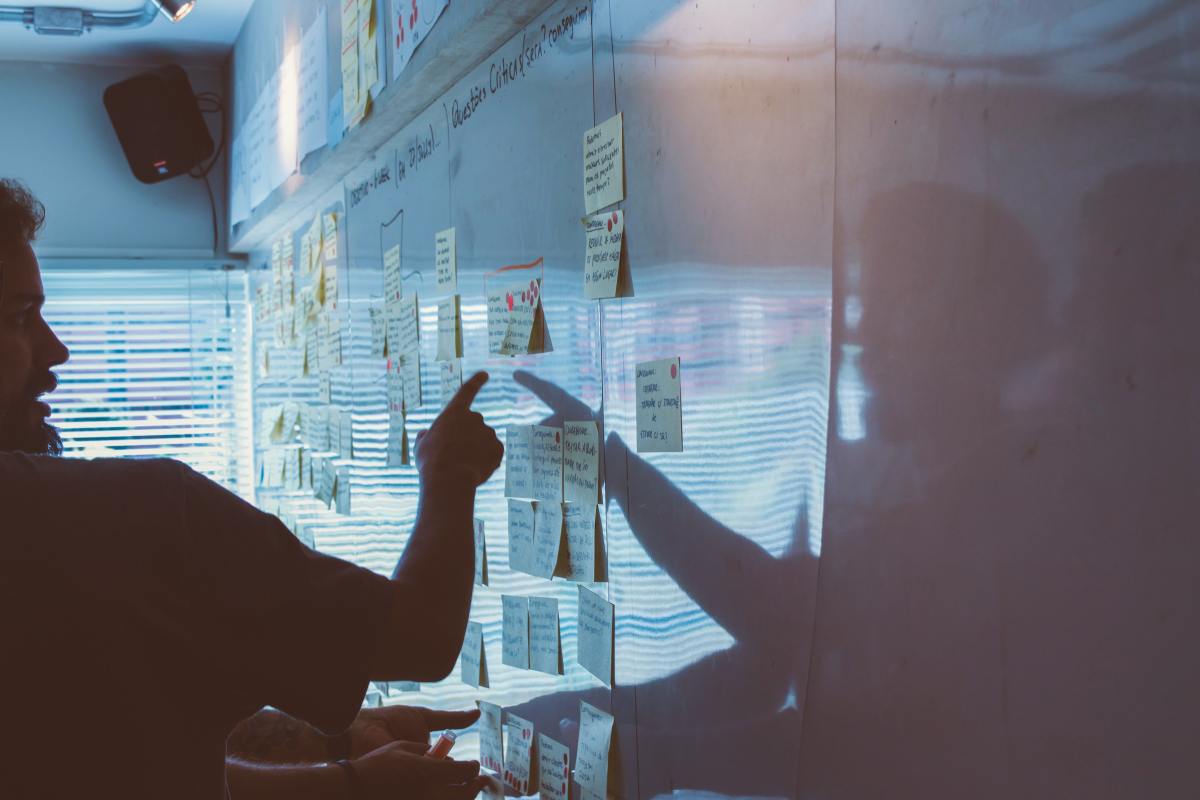
One thing I love about applying management and leadership tools to family life is the word that keeps popping up ‘ expectation’. I feel this word sums up how the family blueprint can positively impact your family as it sets a level of expectation in many areas of life. The expectation of behaviour, expectation of good, better and best and the expectation of outcomes. Communication is key to setting expectations and navigating obstacles in life.

When writing a communication plan in a project so many elements come together to ensure all stakeholders are informed and are taken on the project journey. Elements of the plan include:

  • The purpose or goals of the communication plan
  • Information about stakeholders and their roles
  • The types of information that needed to be shared with stakeholders
  • The methods used to communicate
  • The frequency that each stakeholder would like to receive information

Breaking this down, it could read as follows for families:

  • Why we communicate
  • What we communicate
  • How we communicate and with who
  • The methods we use to communicate different sets of information
  • How often we communicate

Also other important elements of a communication plan, once again altered so it can apply to your family:

  • Creates written documentation for reference
  • Sets expectations
  • Increases transparency
  • Provides the opportunity for feedback
  • Increases productivity

When stating it creates written documentation – what I will point out is, my family doesn’t have it written down and probably never will. What we have done is talked about it a million times and neither of us will forget the Why, What and Who of our communication plan. Whether you feel your plan needs to be documented or not, remember that excellent communication is the foundation of navigating life’s obstacle course. It will determine how positive or negative the journey through an obstacle will be and how it is resolved. Communication is key.

Start thinking about and writing down the good, the bad and the ugly in your family communication?

What would you like to improve? How do you think that can happen?

Categories
Victory

#homesofvictory

Effective leadership is putting first things first. Effective management is discipline, carrying it out.

Stephen Covey
Categories
Victory

Define victory will you

Here at Homes of Victory, we often encourage and talk about living with a victorious mindset in the middle of the wildest season of life: kids… The question is, how do we / you define victory. Just like the word ‘success’, having a victorious mindset can have a myriad of definitions and can even be defined differently on any given day.

Let me explain, I did a happy dance tonight because I managed to fold three baskets of washing – that is a victory! Empty washing baskets. Last night, my three year old was eating some nuts she found and sneezed at the same time – spitting crunched up nuts all over my leather chair… I raised my hands in defeat as I walked off stifling a laugh to find some cleaner. If we don’t laugh we cry right. Neither situation, when analysed, is a victory or defeat – but based on my mood and perspective they were.

That aside, I hope you are starting to see my point.

Only you and your family can define what victory looks like at any given moment.

Homes of Victory

It may be a momentous victory like beating an illness, or paying down debt or a getting that job you’ve worked so hard to get. Victory can also be in the unseen, like getting a child to sleep, learning to drive, passing an exam you were nervous about.

Defeat too can be momentous. It could look like losing a job, losing a loved one, coming second when all you wanted was to be first. It could be in the tired moments – of losing a battle with a tantruming toddler, or a moody teenager. It could simply look like another pile of washing or dinner waiting to be cooked.

Whatever victory and defeat look like to you will determine how and when you live victorious. I like to think we are fairly positive and try to see the victory, see the positive, but at times like every other human defeat creeps in.

What we are trying to say is – you need to define your own victories and own them. If my kids can define a good day by how much nintendo they play or what mountain biking adventure they’ve been on then surely we can define our victory days with similar childlike mindedness.

How will you define your victory?

How will your family measure living with victorious mindsets?

Categories
Leadership

Leadership trait: Resilience

Do not judge me by my success, judge me by how many times I fell down and got back up again.

Nelson Mandela

The road is getting tougher and tougher – yet you keep on walking. Life is getting to you, yet you keep going – finding strength you didn’t know you had. You get through it – stronger and more victorious that you expected. Hello increased resilience. Face the battle with your weapons of determination and perseverance, standing fast knowing when you succeed and you will, you will be stronger and better for it.

The human capacity for burden is like bamboo- far more flexible than you’d ever believe at first glance.

Jodi Picoult, My Sister’s Keeper 
Categories
Victory

Ten Words

Due to changes in my workplace I’m back working in front line customer service. I must say at many times over the past few months I’ve been on the receiving end of people’s complaints, anger, frustration and stress. Being in the firing line really doesn’t bother me… but today was different.

An elderly man asked to speak to someone I charge. As I approached him and said hello, he smiled and said, these ten words:

I don’t like to complain but I love a debate.

anon customer

I couldn’t help but smile. We had the best conversation and the issue was resolved – peacefully and swiftly.

What captured my attention was not only his perspective but his behavior. I would call it honorable. He was respectful and listened to my responses. The reason I mention listened, is because I find a lot of people like to complain, but not many like to listen to the response.

This customer who by the way turned out to be 89, showed me that maybe just maybe if we all behaved in a respectful and honorable manner more issues would be resolved peacefully. There would be less stress, less anxiety around conflict resolution. There would be more kindness and understanding – more listening and less speaking.

I know I’m going to take his 10 words into my everyday and use this perspective in my home life and workplace. What a better world we would have, it we all took his advice and approached life with an open mind, ready for a debate rather than a complaint.

Categories
Victory

# homesofvictory

Of the few things you still control… your choices, your attitude both determine your future. Choose carefully. 

Dave Ramsey

Categories
Victory

#homesofvictory

Beware of destination addiction. The idea that happiness is the next place, the next job or even with the next partner. Until you give up the idea that happiness is somewhere else, it’ll never be where you are.

Robert Holden
Categories
Victory

#homesofvictory

Some of the best advice I’ve been given: Never take critisim from people you would never go to for advice.

Morgan Freeman

What a wonderful reminder. In our world of keyboard warriors who seek nothing more than to destroy confidence, this advice is outstanding. Remember who you go to advice for and why. It’s never going to be the anonomys person on the other end of the wi-fi.

Categories
Victory

#homesofvictory

If your actions inspire others to dream more, learn more, do more and become more, you are a leader.

Simon Sinek

Categories
Victory

Shaping Leaders: Michelle Obama

As I sat and watched ” Becoming”, (for those who don’t know, is the name of Michelle Obamas recent book and the documentary of the same title) so many things about leadership ran through my mind. If you have seen this documentary, I’d love to hear your thougths. If you haven’t it may be something to add to your watch list. It wasn’t all girl power like I assumed, but it was abolsutely inspiring – for men and women alike.

In terms of leadership a few things stood out to me, a few things I feel were confirmed, and other things in the documentary reaffirmed that their is so much good in this world. Here are just a few things that I thought I would share on this incredible leader in every sense of the word.

We need to choose to not be invisible: In a conversation about race, when asked how not to feel invisible, Michelle Obama’s response was it starts in your own heart and mind. She went on to say that the first place she felt seen and heard was her dining table with her family. In hearing these words from Michelle Obama, it reaffirmed the strength of what we as a family are trying to do. It also reminded me of the power parents have and the influence we have on our tribe. How do you make sure each member of your family feels seen and heard?

The haters will hate when you speak hope: One thing that stood out in her interview was, how Americans first reacted to Barak Obama, when he spoke about hope and possibility of a good future. The media, the general public – everyone it seemed got on the haters bandwagon. Michelle Obama spoke about how hard it was, to hear the oposition when, speaking about the future and the hope they had as a family for their country. Politics aside, you will come against oposition when you speak truth, speak hope and speak love. Expect it. Roll with the punches, but don’t ever stop. This world needs more kindness than ever before, more hope to live for and more joy needs to be found. Speak it out and speak it loud.

Do not let those around you dictate your success: One story stood out to me, when Michelle Obama was told by her highschool gudiance officer, to not aim to go to Princeton, because she wouldn’t make it. She knew the undertone was because of her skin colour, but that advice didnt’ stick. She made it and made it well and truly on her own merit and hard work. This achievement was one stepping stone towards meeting her future husband and future as the 44th first lady of the white house. Your success may come in any shape or size, your goals and dreams too, do not let anyone dictate to you, your future or success. Stick to your goals, work hard to achieve them, even when those around you say you can’t. You never know where one achievement will lead to.

In finishing, the lessons learnt from Michelle Obama, and their are many, these are merely a few – remember that we can be shaped by those around us, aspire to be like other leaders, but their is no one like you – be the leader in your family and life that you have been called to be.